The franchising program is offered by MergersUK Limited, a UK Company with its registered office at 71-75 Shelton Street, Covent Garden, London, WC2H 9JQ, United Kingdom.
MergersCorp M&A International provides strategic business advisory services, including preparing companies for growth and capital access. Through partnerships with licensed investment bankers, clients can access tailored capital-raising solutions.
U.S. Investment Banking Securities transactions are exclusively conducted by Spektrum Capital Advisors LLC, a Registered Representative of, and Securities Products offered through, BA Securities, LLC, a FINRA-registered broker-dealer. Check the background of investment professionals associated with this site on Broker Check.
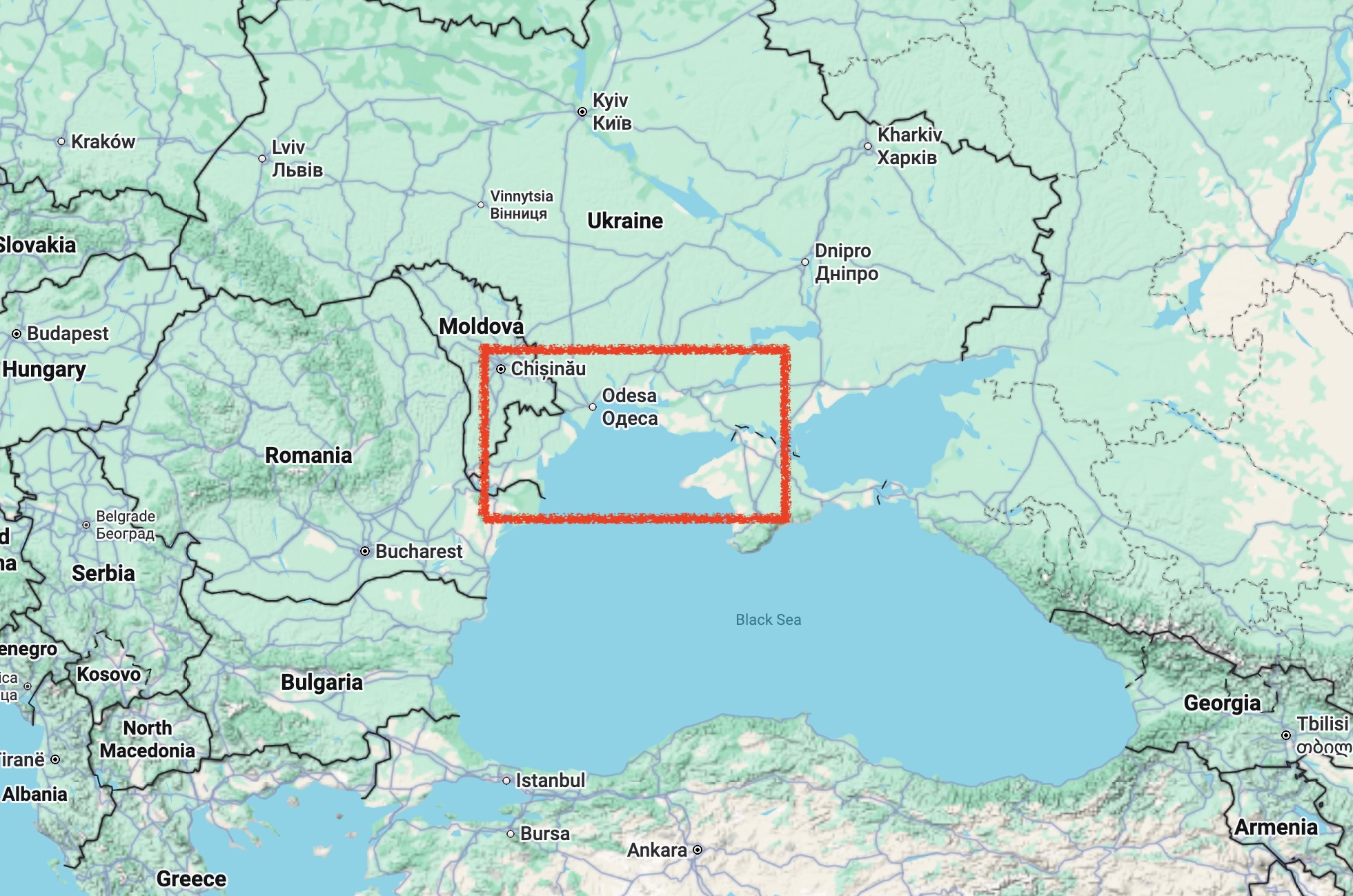
Investing in port operations within the Black Sea region offers distinct, compelling strategic advantages for global trade and logistics enterprises. As a pivotal maritime artery, the Black Sea serves as the critical connector between Europe, the Southern Caucasus, Central Asia, and the Eastern Mediterranean. This unique geographic positioning transforms the region into an essential corridor for international commerce, energy transit, and, most critically, global food security.
Keypoints
Cargo Type
Monthly Volume
Annual Volume (12×)
Liquefied gas
30,000 m3*
360,000 m3*
Grain crops
50,000 t
100,000 t
Vegetable oil
50,000 t
600,000 t
Vegetable meal
50,000 t
600,000 t
Glass
20,000 t
240,000 t
*With a small investment it will be possible to load two LNG carriers per week using the direct option by road transport;
Infrastructure & Storage Capacity
Asset Category
Specification & Capacity
Global Distribution
Supplies of grain crops to 20 countries worldwide
Operational Overpasses
2 units with a total capacity of 8,000 tons/day
Bulk Warehouse
Grain storage warehouse with 25,000 tons capacity
Silo Storage (Tower A)
High-capacity tower: 36,000 tons
Silo Storage (Tower B)
Support tower: 18,000 tons
Key benefits
Gateway to Global Markets: The ports in this region are indispensable in linking landlocked Eastern European and Central Asian producers with world markets, making them vital nodes in global supply chains, especially for commodities like grain and oil.
Infrastructure Connectivity: The Black Sea coast is a strategic integration point for extended multimodal transport networks, including the Trans-European Networks (TEN-T), offering crucial connectivity that drives economic growth and trade competitiveness.
Resilience and Growth Potential: Despite geopolitical challenges, the Ukrainian maritime sector has demonstrated extraordinary resilience, with port activity showing a strong capacity for rapid volume recovery and growth, underscoring the long-term viability and strategic importance of these assets.
This profile presents an exceptional opportunity to acquire a high-capacity, specialized terminal facility poised to capitalize on the sustained demand for agricultural, liquid, and energy exports from this strategically vital region.
This is an established, privately-operated marine asset boasting a substantial annual throughput capacity and specialized terminals for key global commodities.
Core Infrastructure and Capacity
The facility maintains a robust maritime operational profile designed for scale and efficiency:
Vessel Handling: The primary berths are engineered to service vessels with a carrying capacity up to 15,000 DWT. Crucially, the operational flexibility allows for additional loading at the roadstead, effectively increasing the served cargo capacity to a substantial 30,000 DWT.
Loading Equipment: Transshipment operations are supported by two high-specification “Albatros” type gantry cranes, featuring a 32-meter outreach. These cranes offer dual-mode capability:
Grapple mode: 10 tons lifting capacity.
Hook mode: 20 tons lifting capacity.
Logistics Efficiency: The port includes its own, fully-regulated customs zone on-site, a critical feature that significantly accelerates cargo processing, reducing dwell times for international trade.
Proven Cargo Throughput
The port demonstrates consistent operational scale, with an audited total cargo turnover of 2 Million tons per year. This volume is underpinned by specialization across high-value commodity terminals.
Cargo Type
Monthly Transshipment Volume
Agricultural Bulk (Grain Crops, Vegetable Meal)
100,000 tons total
Vegetable Oil (Liquid Bulk)
50,000 tons
Liquefied Gas (LNG/LPG)
30,000 m3
General/Packaged Cargo (Glass)
20,000 tons
The asset’s core value is derived from its three dedicated, high-efficiency terminals:
1. Advanced Grain Terminal
This facility is a primary gateway for Ukrainian agricultural exports, boasting a high nominal throughput capacity and extensive storage solutions.
Handling Rate: Designed for a nominal capacity of 8,000 tons of grains per day.
Storage Complex: Features an impressive combined storage capability of 79,000 tons, segmented into:
Warehouse Storage: 25,000 tons capacity.
Silo Storage: Two silo towers with capacities of 36,000 tons and 18,000 tons, providing secure, modern storage.
Multimodal Access: Equipped with two dedicated overpasses and capable of executing complex loading schemes (including direct car-to-ship, car-to-barge-to-ship, and barge-to-warehouse-to-ship), supporting supply to over 20 international markets.
2. Integrated Vegetable Oils Terminal
A comprehensive liquid bulk operation with proprietary logistics assets ensuring efficient and controlled product flow.
Storage Capacity: Offers a significant stationary oil storage volume of 21,000 tons.
Proprietary Fleet: Enhancing supply chain control, the terminal benefits from its own tanker fleet, which includes barges providing an additional 6,000 tons of mobile storage capacity.
Logistics Velocity: Achieves a rapid vessel loading speed of 400 tons per hour and provides the capability for simultaneous drainage from eight (8) tank trucks, maximizing receiving efficiency.
3. Own Tariff Policy & Own Customs Warehouses
The facility operates under the regulatory framework of the Law on Inland River Transport, distinguishing it from seaports subject to mandatory government tariff policies. This regulatory standing, combined with the private ownership of the berth walls, grants the port full autonomy in establishing its own pricing structures for transshipment, berthing, and lighthouse dues.
Operational efficiency is further enhanced by the presence of licensed customs warehouses, which enable the port to facilitate comprehensive export-import operations directly on-site.
4. Strategic LNG/LPG Terminal
This terminal provides critical infrastructure for the energy sector, offering rapid turnaround for gas carriers.
Capacity: A total storage capacity of 30,000m for liquefied gas.
Throughput: The facility is optimized to load two LNG carriers per week utilizing the efficient direct-option road transport system.
5. Development
New storage capacity at the port:
vegetable oil – 21’000 tons;
bioethanol, diesel fuel, gasoline – 21’000 tons;
NOTE :The port facility is currently non-operational for commercial maritime traffic due to localized security constraints in the Black Sea basin. While the asset remains under Ukrainian sovereign control and the physical infrastructure is secured, its primary deep-water access route is currently restricted by nearby military positioning.
Investing in port operations within the Black Sea region offers distinct, compelling strategic advantages for global trade and logistics enterprises. As a pivotal maritime artery, the Black Sea serves as the critical connector between Europe, the Southern Caucasus, Central Asia, and the Eastern Mediterranean. This unique geographic positioning transforms the region into an essential corridor for international commerce, energy transit, and, most critically, global food security.
Keypoints
Cargo Type
Monthly Volume
Annual Volume (12×)
Liquefied gas
30,000 m3*
360,000 m3*
Grain crops
50,000 t
100,000 t
Vegetable oil
50,000 t
600,000 t
Vegetable meal
50,000 t
600,000 t
Glass
20,000 t
240,000 t
*With a small investment it will be possible to load two LNG carriers per week using the direct option by road transport;
Infrastructure & Storage Capacity
Asset Category
Specification & Capacity
Global Distribution
Supplies of grain crops to 20 countries worldwide
Operational Overpasses
2 units with a total capacity of 8,000 tons/day
Bulk Warehouse
Grain storage warehouse with 25,000 tons capacity
Silo Storage (Tower A)
High-capacity tower: 36,000 tons
Silo Storage (Tower B)
Support tower: 18,000 tons
Key benefits
Gateway to Global Markets: The ports in this region are indispensable in linking landlocked Eastern European and Central Asian producers with world markets, making them vital nodes in global supply chains, especially for commodities like grain and oil.
Infrastructure Connectivity: The Black Sea coast is a strategic integration point for extended multimodal transport networks, including the Trans-European Networks (TEN-T), offering crucial connectivity that drives economic growth and trade competitiveness.
Resilience and Growth Potential: Despite geopolitical challenges, the Ukrainian maritime sector has demonstrated extraordinary resilience, with port activity showing a strong capacity for rapid volume recovery and growth, underscoring the long-term viability and strategic importance of these assets.
This profile presents an exceptional opportunity to acquire a high-capacity, specialized terminal facility poised to capitalize on the sustained demand for agricultural, liquid, and energy exports from this strategically vital region.
This is an established, privately-operated marine asset boasting a substantial annual throughput capacity and specialized terminals for key global commodities.
Core Infrastructure and Capacity
The facility maintains a robust maritime operational profile designed for scale and efficiency:
Vessel Handling: The primary berths are engineered to service vessels with a carrying capacity up to 15,000 DWT. Crucially, the operational flexibility allows for additional loading at the roadstead, effectively increasing the served cargo capacity to a substantial 30,000 DWT.
Loading Equipment: Transshipment operations are supported by two high-specification “Albatros” type gantry cranes, featuring a 32-meter outreach. These cranes offer dual-mode capability:
Grapple mode: 10 tons lifting capacity.
Hook mode: 20 tons lifting capacity.
Logistics Efficiency: The port includes its own, fully-regulated customs zone on-site, a critical feature that significantly accelerates cargo processing, reducing dwell times for international trade.
Proven Cargo Throughput
The port demonstrates consistent operational scale, with an audited total cargo turnover of 2 Million tons per year. This volume is underpinned by specialization across high-value commodity terminals.
Cargo Type
Monthly Transshipment Volume
Agricultural Bulk (Grain Crops, Vegetable Meal)
100,000 tons total
Vegetable Oil (Liquid Bulk)
50,000 tons
Liquefied Gas (LNG/LPG)
30,000 m3
General/Packaged Cargo (Glass)
20,000 tons
The asset’s core value is derived from its three dedicated, high-efficiency terminals:
1. Advanced Grain Terminal
This facility is a primary gateway for Ukrainian agricultural exports, boasting a high nominal throughput capacity and extensive storage solutions.
Handling Rate: Designed for a nominal capacity of 8,000 tons of grains per day.
Storage Complex: Features an impressive combined storage capability of 79,000 tons, segmented into:
Warehouse Storage: 25,000 tons capacity.
Silo Storage: Two silo towers with capacities of 36,000 tons and 18,000 tons, providing secure, modern storage.
Multimodal Access: Equipped with two dedicated overpasses and capable of executing complex loading schemes (including direct car-to-ship, car-to-barge-to-ship, and barge-to-warehouse-to-ship), supporting supply to over 20 international markets.
2. Integrated Vegetable Oils Terminal
A comprehensive liquid bulk operation with proprietary logistics assets ensuring efficient and controlled product flow.
Storage Capacity: Offers a significant stationary oil storage volume of 21,000 tons.
Proprietary Fleet: Enhancing supply chain control, the terminal benefits from its own tanker fleet, which includes barges providing an additional 6,000 tons of mobile storage capacity.
Logistics Velocity: Achieves a rapid vessel loading speed of 400 tons per hour and provides the capability for simultaneous drainage from eight (8) tank trucks, maximizing receiving efficiency.
3. Own Tariff Policy & Own Customs Warehouses
The facility operates under the regulatory framework of the Law on Inland River Transport, distinguishing it from seaports subject to mandatory government tariff policies. This regulatory standing, combined with the private ownership of the berth walls, grants the port full autonomy in establishing its own pricing structures for transshipment, berthing, and lighthouse dues.
Operational efficiency is further enhanced by the presence of licensed customs warehouses, which enable the port to facilitate comprehensive export-import operations directly on-site.
4. Strategic LNG/LPG Terminal
This terminal provides critical infrastructure for the energy sector, offering rapid turnaround for gas carriers.
Capacity: A total storage capacity of 30,000m for liquefied gas.
Throughput: The facility is optimized to load two LNG carriers per week utilizing the efficient direct-option road transport system.
5. Development
New storage capacity at the port:
vegetable oil – 21’000 tons;
bioethanol, diesel fuel, gasoline – 21’000 tons;
NOTE :The port facility is currently non-operational for commercial maritime traffic due to localized security constraints in the Black Sea basin. While the asset remains under Ukrainian sovereign control and the physical infrastructure is secured, its primary deep-water access route is currently restricted by nearby military positioning.
MergersCorp M&A International As Seen On
Security Verification
For security purposes, please solve this simple puzzle to verify you are human before sending an OTP.











Description
Investing in port operations within the Black Sea region offers distinct, compelling strategic advantages for global trade and logistics enterprises. As a pivotal maritime artery, the Black Sea serves as the critical connector between Europe, the Southern Caucasus, Central Asia, and the Eastern Mediterranean. This unique geographic positioning transforms the region into an essential corridor for international commerce, energy transit, and, most critically, global food security.
Keypoints
*With a small investment it will be possible to load two LNG carriers per week using the direct option by road transport;
Infrastructure & Storage Capacity
Key benefits
Gateway to Global Markets: The ports in this region are indispensable in linking landlocked Eastern European and Central Asian producers with world markets, making them vital nodes in global supply chains, especially for commodities like grain and oil.
Infrastructure Connectivity: The Black Sea coast is a strategic integration point for extended multimodal transport networks, including the Trans-European Networks (TEN-T), offering crucial connectivity that drives economic growth and trade competitiveness.
Resilience and Growth Potential: Despite geopolitical challenges, the Ukrainian maritime sector has demonstrated extraordinary resilience, with port activity showing a strong capacity for rapid volume recovery and growth, underscoring the long-term viability and strategic importance of these assets.
This profile presents an exceptional opportunity to acquire a high-capacity, specialized terminal facility poised to capitalize on the sustained demand for agricultural, liquid, and energy exports from this strategically vital region.
This is an established, privately-operated marine asset boasting a substantial annual throughput capacity and specialized terminals for key global commodities.
Core Infrastructure and Capacity
The facility maintains a robust maritime operational profile designed for scale and efficiency:
Vessel Handling: The primary berths are engineered to service vessels with a carrying capacity up to 15,000 DWT. Crucially, the operational flexibility allows for additional loading at the roadstead, effectively increasing the served cargo capacity to a substantial 30,000 DWT.
Loading Equipment: Transshipment operations are supported by two high-specification “Albatros” type gantry cranes, featuring a 32-meter outreach. These cranes offer dual-mode capability:
Grapple mode: 10 tons lifting capacity.
Hook mode: 20 tons lifting capacity.
Logistics Efficiency: The port includes its own, fully-regulated customs zone on-site, a critical feature that significantly accelerates cargo processing, reducing dwell times for international trade.
Proven Cargo Throughput
The port demonstrates consistent operational scale, with an audited total cargo turnover of 2 Million tons per year. This volume is underpinned by specialization across high-value commodity terminals.
The asset’s core value is derived from its three dedicated, high-efficiency terminals:
1. Advanced Grain Terminal
This facility is a primary gateway for Ukrainian agricultural exports, boasting a high nominal throughput capacity and extensive storage solutions.
Handling Rate: Designed for a nominal capacity of 8,000 tons of grains per day.
Storage Complex: Features an impressive combined storage capability of 79,000 tons, segmented into:
Warehouse Storage: 25,000 tons capacity.
Silo Storage: Two silo towers with capacities of 36,000 tons and 18,000 tons, providing secure, modern storage.
Multimodal Access: Equipped with two dedicated overpasses and capable of executing complex loading schemes (including direct car-to-ship, car-to-barge-to-ship, and barge-to-warehouse-to-ship), supporting supply to over 20 international markets.
2. Integrated Vegetable Oils Terminal
A comprehensive liquid bulk operation with proprietary logistics assets ensuring efficient and controlled product flow.
Storage Capacity: Offers a significant stationary oil storage volume of 21,000 tons.
Proprietary Fleet: Enhancing supply chain control, the terminal benefits from its own tanker fleet, which includes barges providing an additional 6,000 tons of mobile storage capacity.
Logistics Velocity: Achieves a rapid vessel loading speed of 400 tons per hour and provides the capability for simultaneous drainage from eight (8) tank trucks, maximizing receiving efficiency.
3. Own Tariff Policy & Own Customs Warehouses
The facility operates under the regulatory framework of the Law on Inland River Transport, distinguishing it from seaports subject to mandatory government tariff policies. This regulatory standing, combined with the private ownership of the berth walls, grants the port full autonomy in establishing its own pricing structures for transshipment, berthing, and lighthouse dues.
Operational efficiency is further enhanced by the presence of licensed customs warehouses, which enable the port to facilitate comprehensive export-import operations directly on-site.
4. Strategic LNG/LPG Terminal
This terminal provides critical infrastructure for the energy sector, offering rapid turnaround for gas carriers.
Capacity: A total storage capacity of 30,000m for liquefied gas.
Throughput: The facility is optimized to load two LNG carriers per week utilizing the efficient direct-option road transport system.
5. Development
New storage capacity at the port:
NOTE :The port facility is currently non-operational for commercial maritime traffic due to localized security constraints in the Black Sea basin. While the asset remains under Ukrainian sovereign control and the physical infrastructure is secured, its primary deep-water access route is currently restricted by nearby military positioning.
Basic Details
Target Price:
$ 75,000,000
Gross Revenue
$25,000,000
EBITDA
TBD
Business ID:
L#20251058
Country
Ukraine
Detail
Similar Businesses
Published on December 14, 2025 at 7:18 pm. Updated on December 24, 2025 at 9:49 pm
Ukrainian Intermodal Industrial Deep Sea Cargo Industrial Port (RTB)
$800,000,000
Port
Commercial Stevedoring Private Port Business
$2,000,000,000
Port
PREVIOUS PROPERTY
Historical North-Italian Mineral Water Spring
NEXT PROPERTY
Ukrainian Intermodal Industrial Deep Sea Cargo Industrial Port (RTB)